Saturday, 19 May 2012


In our pages we use ADOBE READER(.pdf) application. Klik on image and download for free.


This site was last modified on:
Thursday 17 May 2012, 10:51

Written by Dr. Kouzi   
Monday, 21 September 2009 19:33

Cytological control

All  photographs are  provided by the scientific team of Biohellenika.


Τhree types of measurements are performed before and after the procedure of separation

1. White and red blood cells count with the certified for clinical use Beckman Coulter (CE-IVD)
2. Estimation of the viability and the number of the haematopoietic stem cells (HPC) CD45dimCD34+ according to the approved clinical protocol of ISHAGE in the flow cytometer Epics XM Beckman Coulter and the stem counttm – (CE-IVD).
3. Culture of a small number of haematopoietic cells in a specific medium for colony forming estimations BFU-E CFU-G and CFU-GM.

Cell Types


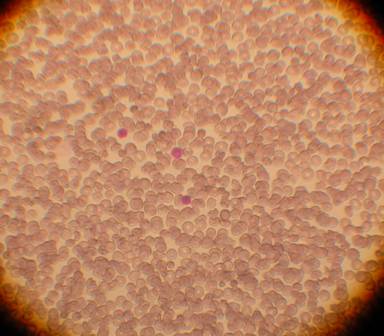
Image 1. The total blood as first coming in the lab, before processing. We can see three nucleated cells and the rest red blood cells. Red blood cells are not stem cells. Stem cells are included in the nucleated population


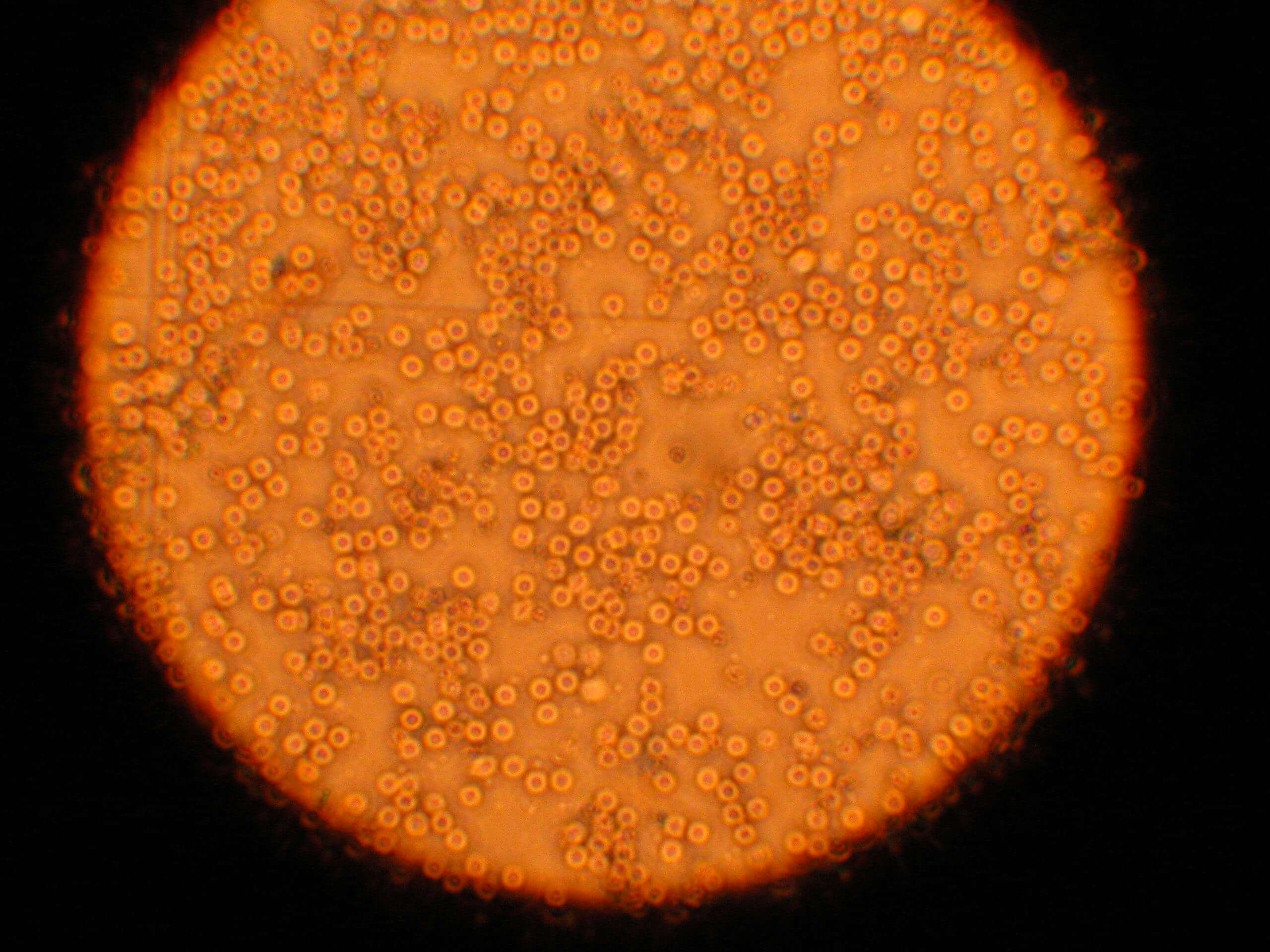
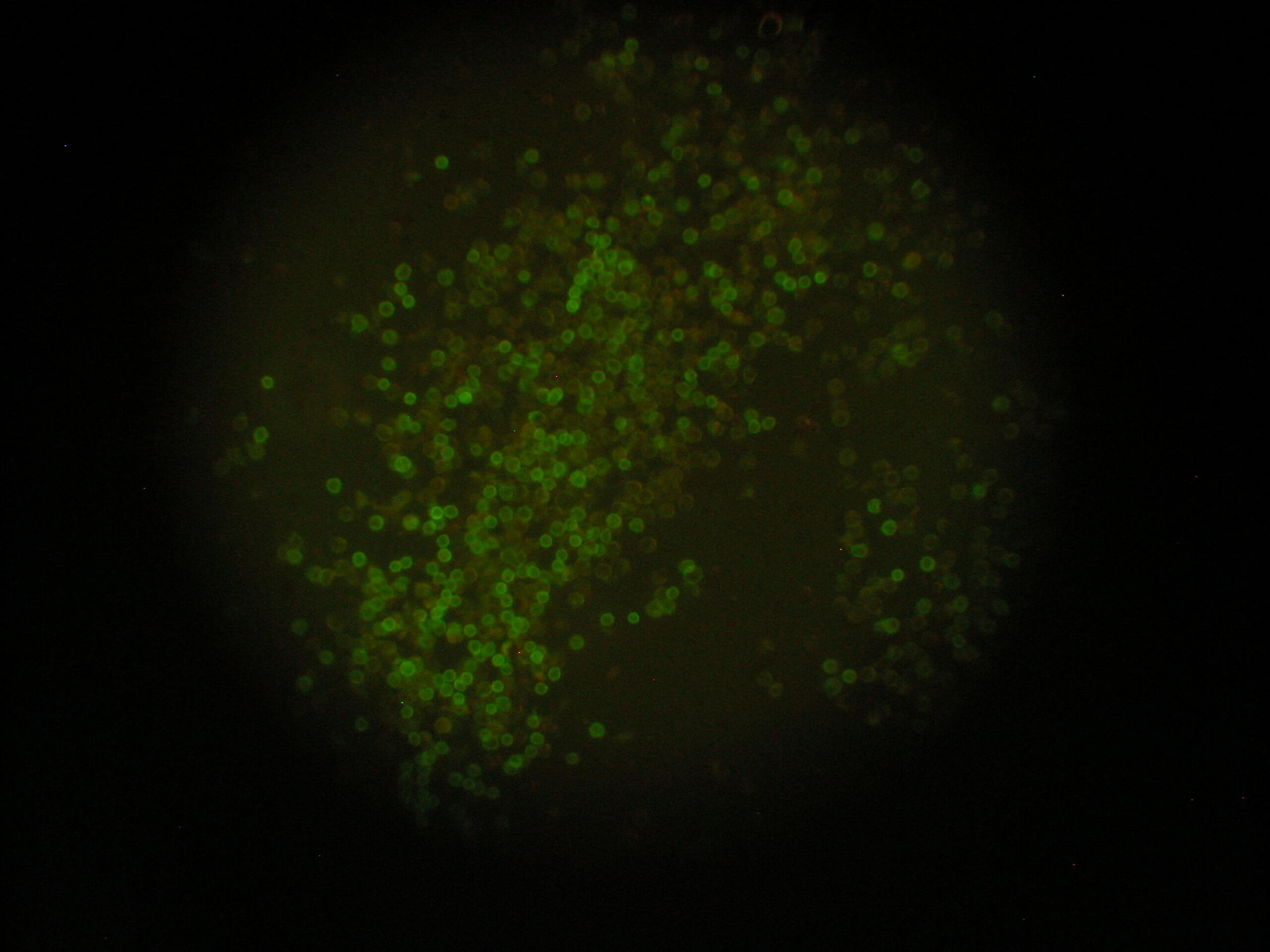
The population of leukocytes in the umbilical cord blood contains 2 types of cells: the haemopoietic population of CD45dim/ CD34+ cells and the population of multipotent CD45-/CD34 cells. Both populations show great differences in their morphology and their development. The haemopoietic population comprises of more mature cells which constitute the population that will be transformed to haemopoietic cells after transplantation (Images 2 & 3).


Image 2
Homogenic population of nucleated cells of the umbilical cord. Note the total absence of red blood cells after the completion of Biohellenika’s blastocyst
isolation protocol
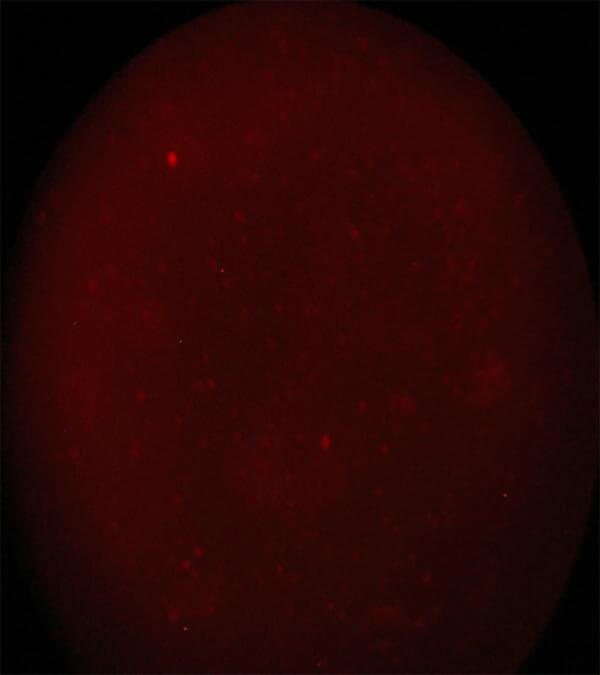
Image 3
CD 45+ cells. Immunofluorescence method using a reverse microscope Zeiss AXIONVERT 40 CFL

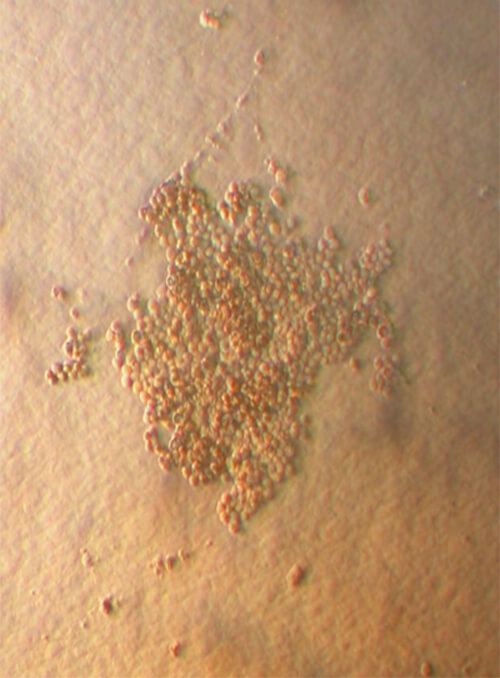
The population of multipotent cells consists of spindle type cells with extensions resembling fibroblasts, and is characterized by the ability to divide 40 times without further differentiation, reaching a population of 1,015 cells without caryotype changes (Gogler et al, 2004, 200: 123-135). This population is a subject of intensive research all over the world and today the in vivo differentiation of the cell population has been accomplished, in neuron, bone, chondrocytes, fat, cardiac cells, muscular and hepatic cells (See Image 4).
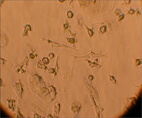


Image 4
Appearance of multipotent stem cells of  fibroblast type
in umbilical cord blood after culture for 15 days
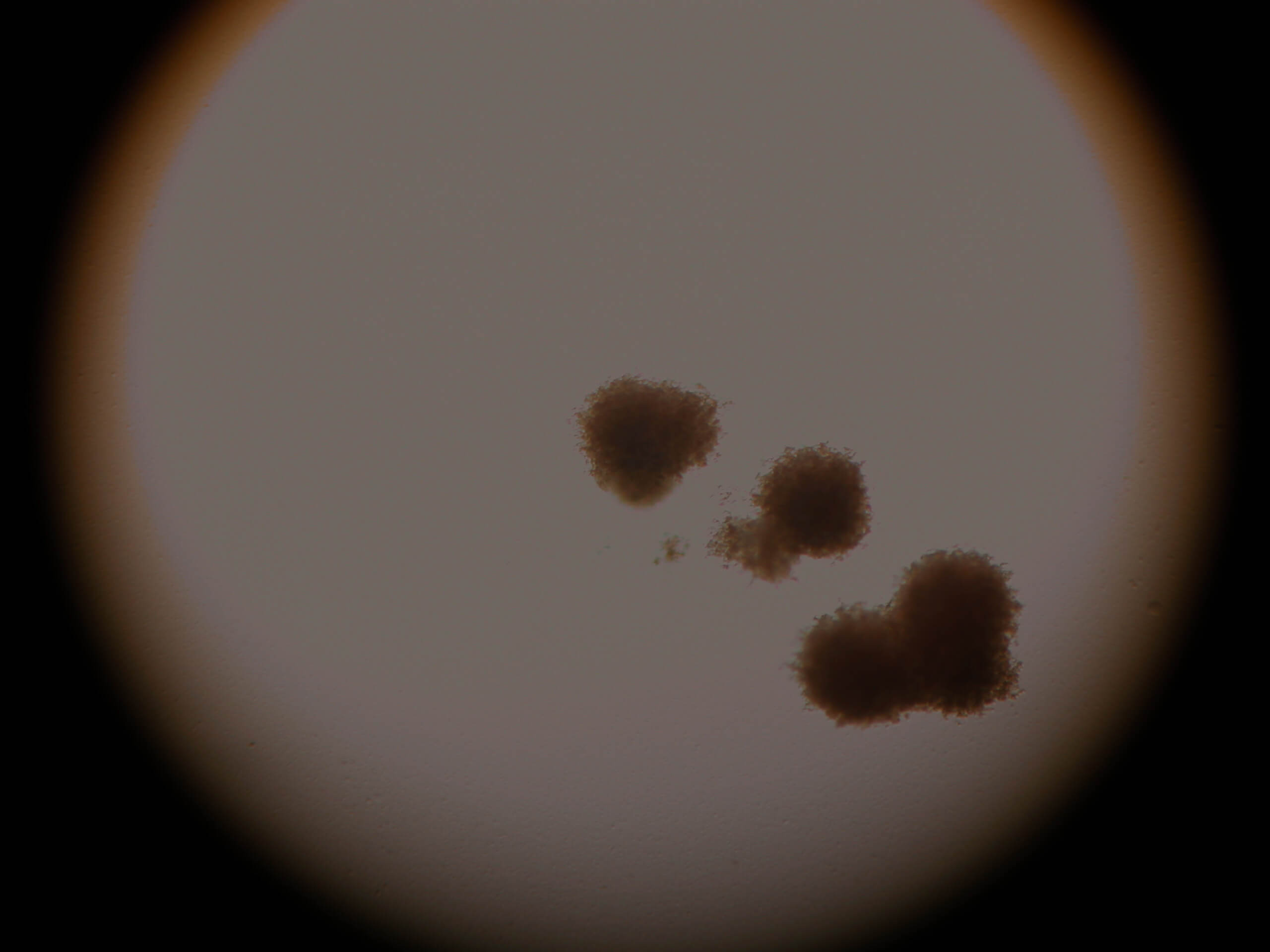


Image 5. CFU of red blood cells. Stem cells maintain all the biological abilities.
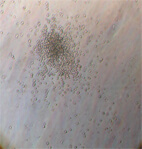

Εικόνα 6 a     
Εικόνα 6 b

CFU of neutrofil-granulocytes 

Therefore, the cellular proliferation for the increase of the number of stem cells for haemopeisis and use for the therapy of leukaemia has no indication, as the haemopoietic population is close to the stage of apoptosis. The number of stem cells required for the treatment of leukaemias depends on the body weight of the recipient. The number of nucleated cells from umbilical cord blood reaching 1.73x10⁷ /Kg body weight and the number of CD34+ cells reaching 2.7x10⁵ /Kg body weight, have been administered successfully to patients with leukaemias (Ren et al 2001, Zhonghua, 22: 621, Cilley et al 2004, Bone Marrow Transplantation, 33: 161-4, Magro et al 2006, Hematologica, 91: 640-8). The number of stem cells is proportional to the total volume of collected blood. However, due to the presence of multipotent cells that allow proliferation, even small quantities of blood  can nowadays be cryopreserved.
Virological control
Virological control for hepatitis B,C,HIV and CMV in the umbilical cord blood with the method RT.PCR.
RT.PCR can detect immediately the virological load the child’s blood and relieves mothers from continuous examination during and after pregnancy. Recently Biohellenika was equiped with Compass instrument by Roche for the direct virus detection in the babys  umbilical cord blood. Today this system is provided only by the capital blood centers for virus detection, and  it is recomended by the European Union for safe  results.

Bacteriological control
Bacterial aerobious and anaerobious control in three certified for clinical use (CE-IVD)  Bactec systems  (Becton Dickinson)  of total capacity of 290 samples. These systems are characterized by their great sensitivity and reliability of the results.
3-12% of umbilical cord blood units worldwide are considered unsuitable due to contamination.  According to our experience in private obstetrics clinics is nearly (0.5-1%) due to special care and skill of obstetricians.
In case of positive bacteriological control, the sample might not be suitable for use but only after the bacterial characterization and the antibiotics and therefore is cryo-preserved for free.

Results of the quality check
The parents receive the medical results of the quality control signed by name, by the doctor in charge (university professor). It is also given a certificate with an identity card, with the unique number of identification of the customer, which escorts the sample at all the phases of the procedures.

All the above mentioned quality methods are accredited by the Hellenic Accreditation System according to 410, 8/2/2008 published document.


Therapeutic potential of non-embryonic autologus stem cells and the justification for stem cell banking.


Latest News

Four new innovative patents of BIOHELLENIKA

 
Biohellenika pioneer in cardiac failure stem cells treatment

 
Stem cells - Investment in the Future

 
Stem cell team aims for spare heart parts in five years

 
Umbilical Cord Cells May Treat Arthritis, Studies Suggest

 
Successful stem cells treatment for top agent

 
CORD BLOOD STEM CELLS ARE CLOSE ENOUGH TO REPLACE BLOOD DONATION

 
Response to articles in the press concerning banking of stem cells in Greece.

 
Innovative administration of stem cells in the lungs for chronic obstructive-disease treatment

 
Teeth stem cell hopes for stroke victims

 
Stem Cells May Hold Hope for Eye Disease

 
THE FIRST STEM CELL THERAPY FOR AUTISM

 
New data for the use of cord blood - placenta derived stem cells

 
New treatment of a child with cerebral palcy, by using umbilical cord blood stem cells, that had been cryopreserved in Biohellenika’s labs
 
THE FIRST TREATMENT OF AUTISM
 
MESENCHYMAL STEM CELLS FROM UMBILICAL CORD CONNECTIVE TISSUE (WHARTON’S JELLY)

 
Cord Blood Stem Cells May Help Treat Heart, Lung Disorders

 
A diabetic foot was cured with the use of stem cells, derived from adipose tissue, that have been pr

 
Effectiveness Of Stem Cells As Cerebral Palsy Treatment Set For Test

 
Biohellenika was successfully inspected by the American Association of |Blood Banks

 
Patients with chronic heart failure given injections of their own stem cells have better heart...

 
Biohellenika starts business in Bulgaria

 
Hope of life with the rejuvenation of the myocardium with the transplantation of stem cells

 
Biohellenika’s Laboratories in Athens are the first Ministry of Health licensed family bank...

 
Dynamic Expansion of BIOHELLENIKA

 
The labs of the National Institute of Research (TAK EIE) were certified by ESYD
 
Formation of functional neural tissue

 
Biohellenika’s laboratories support AUTOLOGOUS STEM CELL THERAPY CLINICAL TRIALS

 
Umbilical cord blood stem cells had used for the treatment of a blind girl, who was born with congenital dysplasia of the optic nerve.
 
Autism, Stem Cells and What the World URGENTLY Needs to Know: The Body Ecology Perspective

 
Autologous transplantation of stem cells that had been cryopreserved in Biohellenika’s labs

 
KARYOTYPE AND FISH-INFERTILITY

 
Biohellenika starts business in Serbia

Guests Online

We have 47 guests online

Athens

Offices - Laboratories
Arhelaou 28A'
PC: 11635
Tel: (+30) 210.77.08.882, 210.77.08.218
Fax: (+30) 210.77.90.788
Mobile: (+30) 6973.346.704
Laboratories:
National Hellenic Research Foundation
48 King Constantine Street
PC: 116 35
Tel:
(+30) 210.72.73.700
 

Ioannina

Offices
Technology Park - Pedini Ioannina,
PC: 45110
Tel:
(+30) 26510.07.667
Fax:
(+30) 26510.07.673
Mobile:
(+30)
6970.267.540

Thessaloniki

Laboratories - Offices
65 Georgikis Scholis Avenue
PC. 57001,  ZEDA Building
Tel: (+30) 2310.474.282,
        (+30) 2310.474.284
Fax: (+30) 2310.474.285

Heraklion Crete

Offices
17 Amalthias & Katechaki Street
PC. 71201
Tel: (+30) 2810.229.351
Mobile: (+30) 6970.803.497

Bulgaria

Sofia
Offices
66 Exarch Joseph Str.
Tel: 0700 10 804

Serbia

Beo Stem
ul. Balkanska 18, lokal 100
Tel: 00381113622383

Mobile: 0038162758688

Patra

Offices
18  Kos & Panepistimiou Street
PC. 26441
Tel: (+30)  2610.437.436
Fax: (+30)  2610.431.339
Mobile: (+30)  6978.483.170

Cyprus

Offices
55 Alekos Constantine Street
Nicosia Town
Tel: (+357) 22028208
Fax: (+357)22.028.210
Center Cyprus Phone:
(+357) 77776001

Chania Crete

Offices
40 - 42 Tzanakani  Street
1st Floor, Office A6
Tel: (+30) 28210 58758
Mobile: (+30) 6976977384
            (+30) 6945750933

Larisa

Offices
3 Alexander Street (6th floor)
PC.41222
Tel: (+30) 2410.535.603
Fax: (+30) 2410.535.664
Mobile: (+30) 6973.984.260


Skopje

Frenklin Ruzvelt 4,
lokal 5 1000,
Skopje
Tel: ( +38) 923111114
Fax: ( +38) 923111114

Romania

Bucharest
Str.  Wilhelm  Filderman   nr  18,  etaj  4 ,  sect  . 3
Τηλ.: 004 0213203029
Fax: 004 0213203031
Mobile: 004 0730078930/31/32/33/34/35
© Biohellenika Copyright 2009 - - All rights reserved - Created by MellonARt.gr